This website uses cookies to improve functionality and analyze traffic. By continuing to browse or interact with the site, you consent to our use of cookies and acknowledge that you have read and agreed to our Privacy Policy and Terms & Conditions.

Drum filters and mechanical filtration systems are core components of modern aquaculture and recirculating aquaculture systems (RAS), serving as the primary stage of solid waste removal. By efficiently separating suspended solids, uneaten feed and organic particulates from the water column, drum filters protect biofilters, improve water clarity, stabilize system performance and reduce biological load across the entire recirculating loop. High-efficiency mechanical filtration is essential for fish health, oxygen utilization and long-term operational reliability in commercial farms, hatcheries and intensive RAS facilities.
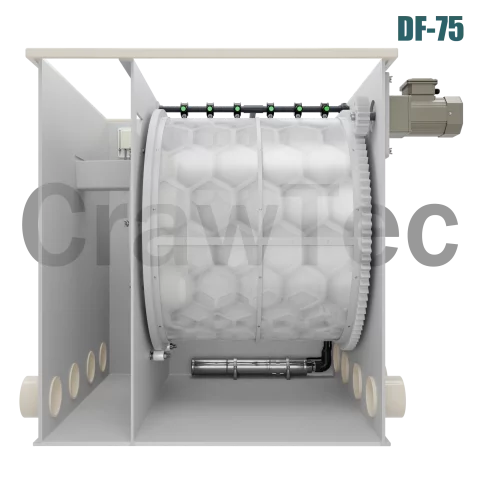
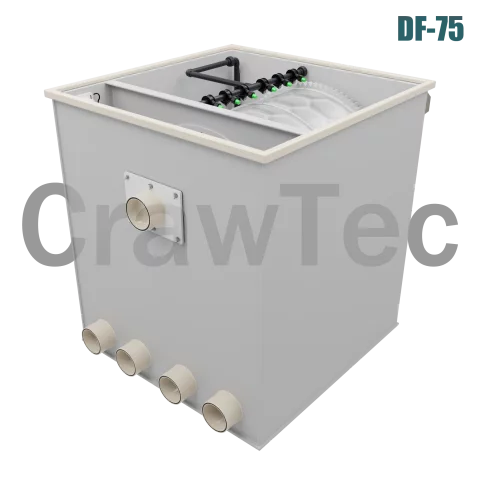
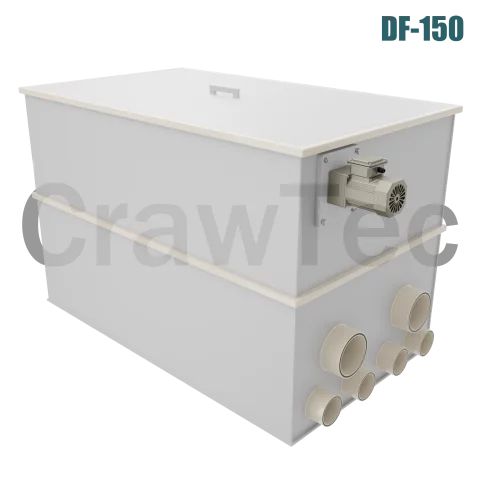
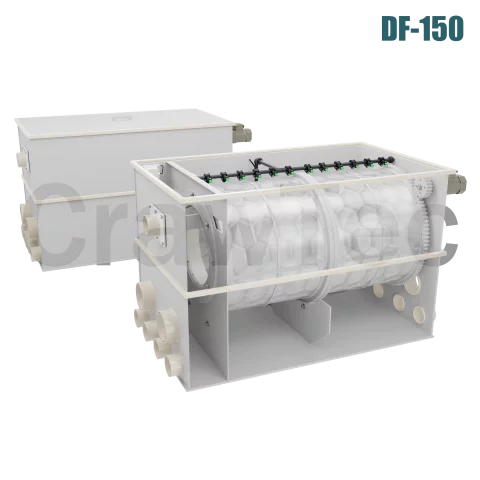
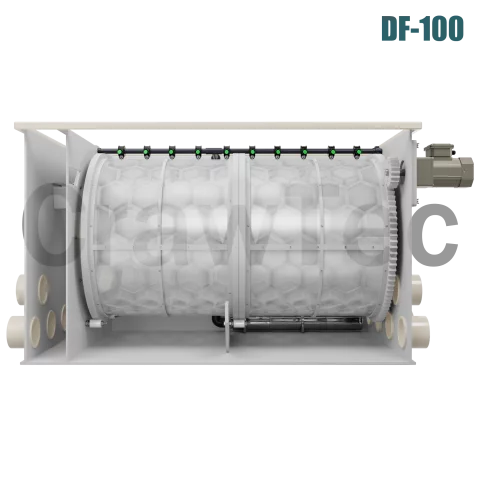
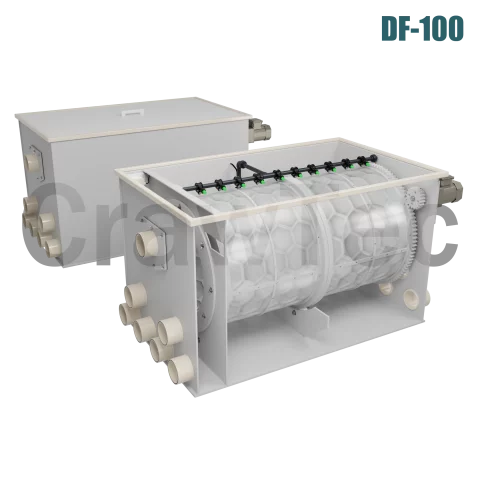
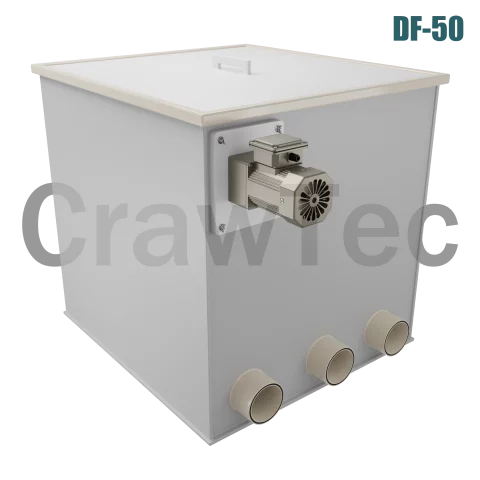
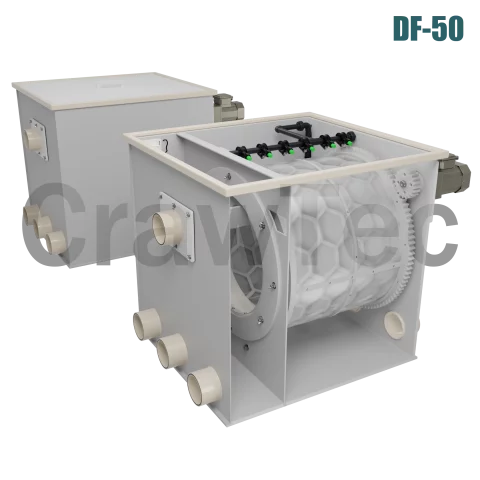
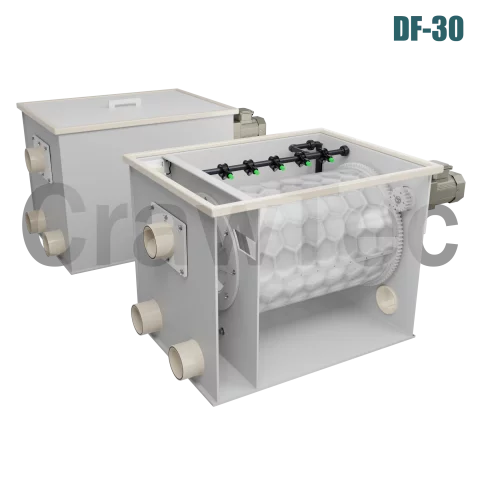
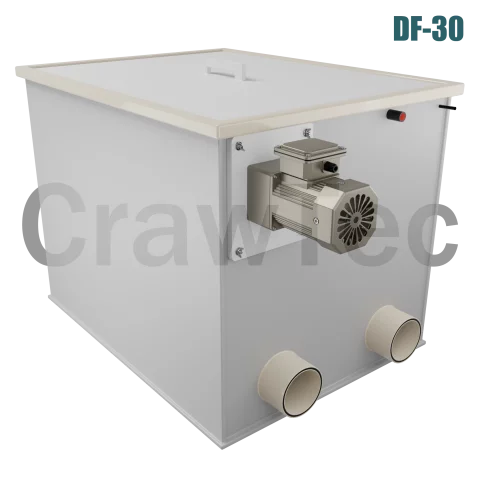
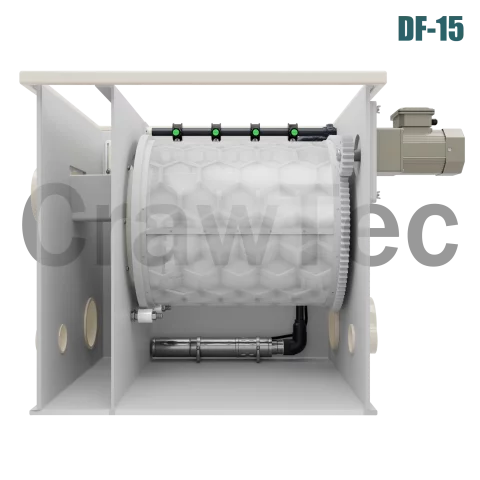
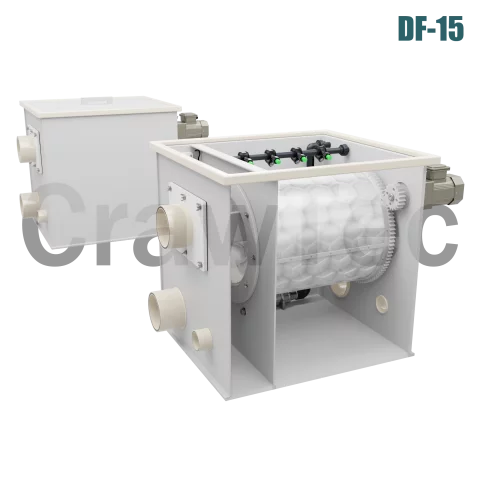
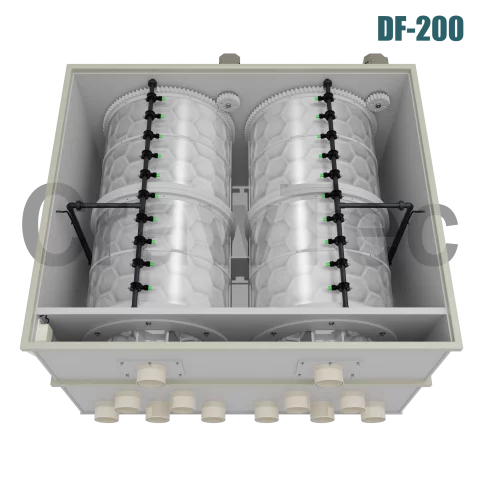
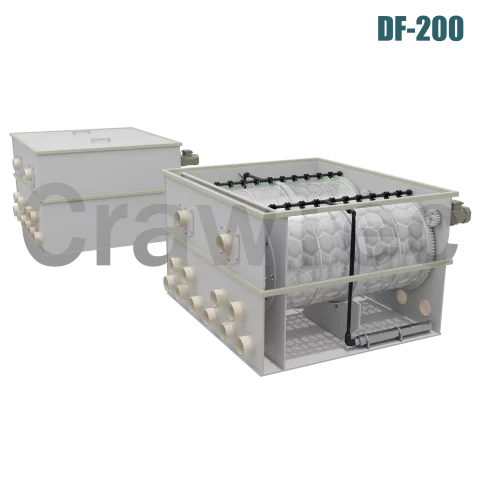
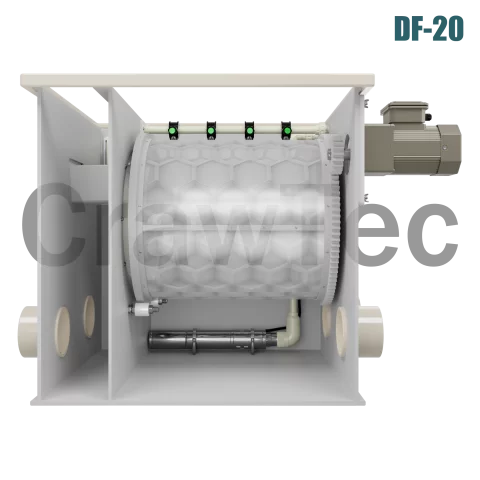
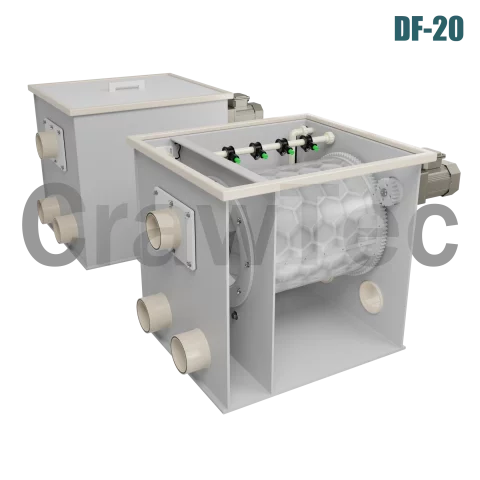
Drum filters (rotary microscreen filters) provide continuous and automated mechanical separation using fine mesh screens. Their design enables consistent filtration with minimal operator intervention.
Continuous removal of suspended solids. Drum filters capture fine particles (typically 20–100 microns) before they enter the biofilter, preventing clogging, reducing oxygen demand and improving overall water quality.
Automated cleaning system. High-pressure spray bars rinse the screen during rotation, ensuring uninterrupted operation and stable filtration efficiency throughout the production cycle.
High hydraulic capacity. Drum filters can process large water volumes with minimal pressure loss, making them suitable for intensive RAS facilities and high-density fish production.
Reduced biofilter load. By removing mechanical solids early, biofilters can focus on biological nitrification, improving stability and reducing the required size of biological media.
Improved water clarity and fish health. Effective mechanical filtration reduces pathogen presence, stress levels and gill irritation, contributing to overall fish performance and feed conversion efficiency.
Energy-efficient operation. Drum filters rely on gravity flow or low-pressure pumping, requiring significantly less energy compared to alternative filtration methods.
These advantages make drum filters a standard in commercial RAS operations, research hatcheries and high-density aquaculture farms.
Mechanical filtration is essential for ensuring stable water quality across various aquaculture environments and production models.
Commercial RAS facilities. Drum filters remove suspended solids from recirculating loops, protecting biofilters and maintaining consistent water parameters in intensive fish production.
Hatcheries and nurseries. Young fish and larvae require exceptionally clean water. Mechanical filtration helps maintain clarity, reduce pathogens and support higher survival rates.
Aquaponic systems. Drum filters prevent solids from accumulating in grow beds, NFT channels or deep-water culture troughs, ensuring stable nutrient cycling and preventing blockages.
Flow-through and hybrid systems. Mechanical filtration reduces water usage, improves effluent quality and supports environmental compliance in mixed production models.
Wastewater polishing and effluent treatment. Drum filters are used for pre-treatment of wastewater before discharge or reuse, reducing environmental impact and improving regulatory compliance.
Mechanical filtration is one of the most critical steps in achieving stable, low-turbidity water conditions for long-term fish and system health.
Selecting mechanical filtration equipment requires an understanding of hydraulic loading, species biology and facility layout. Key factors include:
Filtration capacity and flow rate. Drum filters must be sized according to system turnover, fish biomass, feeding rate and waste load to ensure consistent removal efficiency.
Screen mesh size. Mesh options (20–200 microns) influence the degree of solids removal and should be selected based on species type, feeding strategy and water quality goals.
Gravity vs. pumped configurations. Gravity-fed drum filters reduce energy consumption, while pumped systems offer more flexibility in facility layout.
Construction materials. Stainless steel, HDPE and composite materials offer different levels of durability, corrosion resistance and price points for commercial operations.
Automation and control integration. Many drum filters integrate with SCADA systems, control panels and sensor alarms for water level, rotation cycles and backwash timing.
Maintenance and spare parts. Reliable access to screens, nozzles, bearings and control components is crucial for long-term uptime and stable system performance.
On CEAUnion, manufacturers, integrators and aquaculture specialists can list drum filters, microscreen units, mechanical filtration systems and full RAS filtration packages. Buyers and farm developers can compare specifications, evaluate engineering solutions and connect directly with suppliers to upgrade or build mechanical filtration infrastructure for commercial aquaculture and RAS operations.