This website uses cookies to improve functionality and analyze traffic. By continuing to browse or interact with the site, you consent to our use of cookies and acknowledge that you have read and agreed to our Privacy Policy and Terms & Conditions.

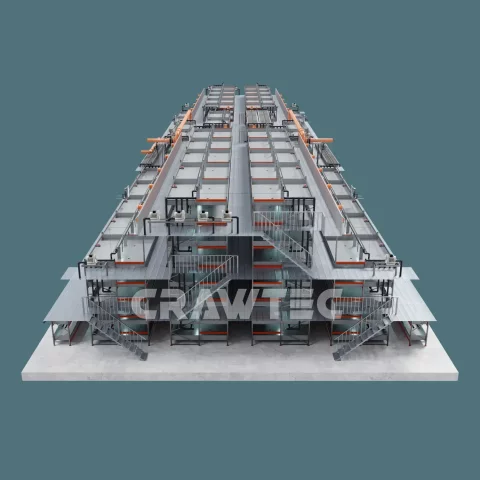
Aquaculture farm design services provide the technical foundation for modern fish, shrimp, crawfish (crayfish) and crustacean production systems, including flow-through farms, recirculating aquaculture systems (RAS), biosecure hatcheries and combined aquaponic operations. Proper engineering and design ensure stable water quality, optimized stocking densities, efficient energy use and predictable production cycles. Commercial aquaculture relies on accurate hydraulic planning, filtration sizing, oxygenation strategy and robust farm layout to minimize risks, maintain animal health and support long-term operational performance.
Aquaculture farm design integrates biological, mechanical and hydraulic systems into one unified operational model. Each element must be engineered to support stable water quality and reliable production.
Hydraulic layout and water flow planning. Engineers design primary and secondary loops, tank sizing, flow rates, pump selection, pipe diameters and head-loss calculations to ensure uniform circulation and optimal turnover rates.
Mechanical filtration design. Drum filters, radial flow separators, static sieves and sedimentation units remove suspended solids efficiently, protecting downstream biofilters and maintaining water clarity.
Biological filtration (biofilters / MBBR reactors). Nitrification units convert toxic ammonia and nitrite into nitrate, stabilizing water chemistry. Proper sizing ensures sufficient surface area for bacterial colonization based on biomass and feeding rates.
Oxygenation and aeration systems. Oxygen cones, low-pressure blowers, diffusers and oxygen generators maintain dissolved oxygen (DO) levels required for fish metabolism and overall system performance.
Disinfection and biosecurity systems. UV sterilizers, ozone injectors, foam fractionators, heat treatment and quarantine loops reduce pathogen loads and protect sensitive stocks.
Temperature and climate management. Heating/chilling loops, heat exchangers and insulation strategies support species-specific thermal requirements and reduce seasonal risk.
Monitoring and automation. DO, pH, ORP, ammonia, temperature, flow and water level sensors integrate with automation platforms, enabling real-time adjustments and alarm protection.
Energy optimization and recovery. Efficient pumps, ventilation, optimized plumbing and heat-recovery systems reduce operational expenditure and improve long-term profitability.
Each subsystem is engineered to operate as part of a coordinated, reliable and biosecure production environment.
Properly engineered farms provide stable growing conditions, predictable output and reduced operational risk across multiple aquaculture models.
Recirculating aquaculture systems (RAS). RAS facilities require high-level engineering due to complex hydraulic loops, advanced filtration, oxygenation demands and tight biosecurity requirements. Professional design ensures stable water quality and scalable biomass production.
Flow-through and semi-recirculating farms. These systems depend on effective water intake structures, sediment removal, oxygen maintenance and robust effluent management strategies.
Hatcheries and nurseries. Early life stages require precise environmental control, ultra-clean water and specialized larval-rearing systems designed for high survival rates.
Integrated aquaponic systems. Design services balance aquaculture biomass with plant nutrient uptake, integrating fish tanks, biofilters and hydroponic beds into productive hybrid systems.
Species-specific farm development. Salmon, trout, barramundi, tilapia, shrimp and crayfish each require specialized system design tailored to their biology and environmental needs.
Risk management and biosecurity. Proper facility layout, quarantine zones, disinfection strategies and water treatment protocols reduce the likelihood of disease outbreaks and losses.
Scaling and commercialization. Expert design ensures that farms can expand production progressively without compromising water quality or infrastructure capacity.
High-quality design significantly improves survival rates, feeding efficiency, growth performance and overall return on investment.
Selecting the right engineering and design partner is essential for the success of any aquaculture project. Key considerations include:
Proven RAS and aquaculture engineering experience. Design firms should demonstrate validated case studies, completed installations and expertise across different species and facility sizes.
Accurate biomass and feeding calculations. Proper modeling ensures that filtration, oxygenation and pumping systems are correctly sized for peak loads and holding densities.
Site evaluation and infrastructure planning. Water availability, energy cost, zoning, utilities and site constraints all impact final system design and cost structure.
Full engineering documentation. Detailed drawings, P&ID diagrams, hydraulic schematics, wiring layouts and operational manuals support smooth construction and long-term maintenance.
Installation supervision and commissioning. Many vendors offer on-site supervision, system calibration, biological startup and operator training to ensure successful launch.
After-sales support and maintenance. Professional service teams provide troubleshooting, optimization audits, upgrades and emergency support throughout the farm’s operating life.
On CEAUnion, aquaculture engineering firms, system integrators and consulting experts can list RAS design services, feasibility studies, construction support and turnkey farm development solutions. Buyers, investors and developers can compare engineering capabilities, review portfolios and connect with specialized teams to plan or expand aquaculture facilities worldwide.